Introduction
Walking into a high-stakes interview can be nerve-wracking, regardless of your experience level. In 2026, hiring managers are looking for more than just technical skills; they are searching for cultural fit, adaptability, and high emotional intelligence. Having the best answers to job interview questions prepared in advance is the single most effective way to lower anxiety and increase your success rate.
According to research by Harvard Business Review, the key to a successful interview isn't just about what you say, but how you align your story with the company's needs [1]. This complete guide to job interview answers will walk you through the essential scripts and preparation techniques you need to land the offer.
How to Prepare for a Job Interview: A Step-by-Step System
Knowing how to prepare for a job interview questions is a skill in itself. It’s not about memorizing lines; it’s about building a library of "success stories" you can adapt.
- Analyze the Job Description: Look for the core competencies. If they mention "cross-functional collaboration," prepare a story about a time you worked with different departments.
- Research the Company: Go beyond the "About Us" page. Look at their latest press releases and social media to understand their 2026 goals.
- How to prepare a job interview questions (from the interviewer's side): Think about what the manager is afraid of. Are they afraid of hiring someone who leaves in six months? Prepare answers that emphasize your long-term commitment.
- Practice for job interview scenarios: Don’t just read your answers—speak them out loud.
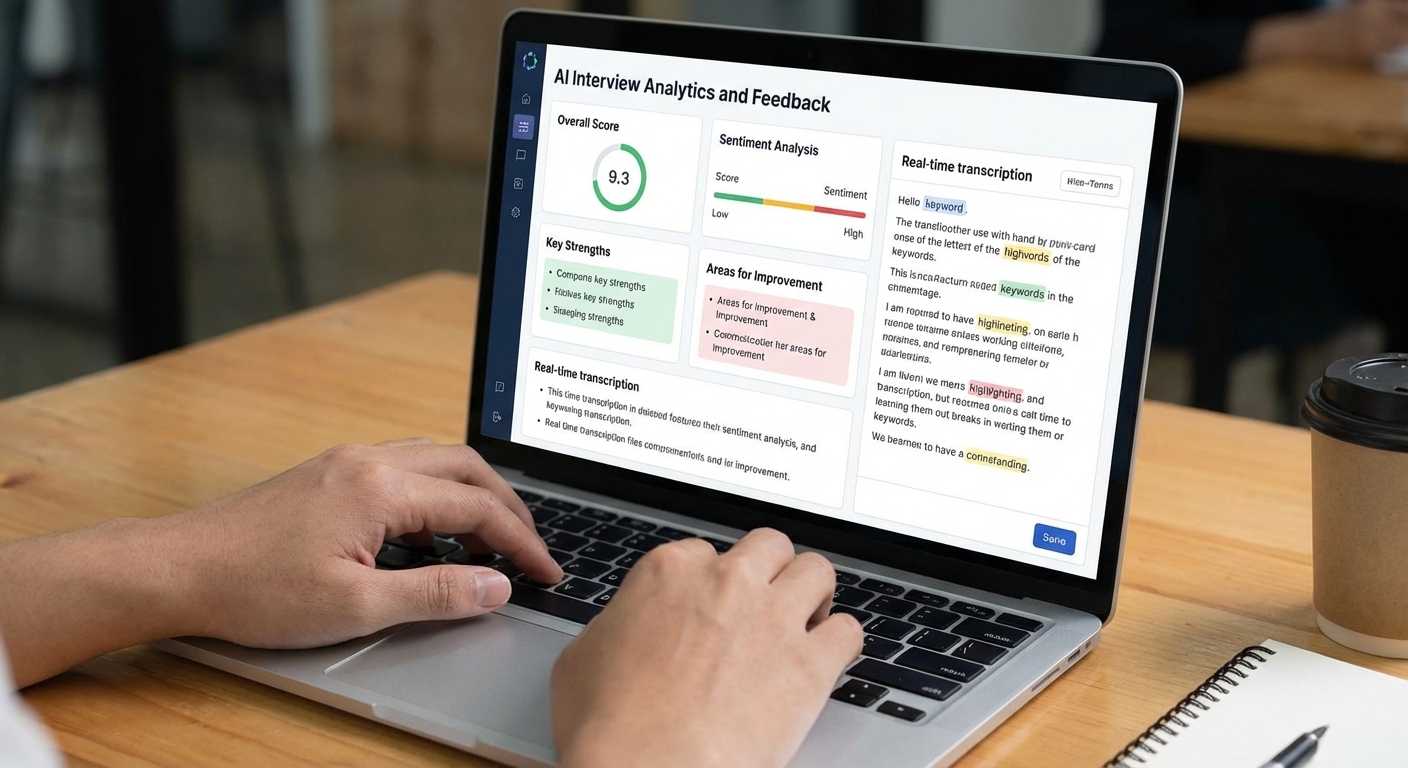
Pro Tip: Reading scripts is a start, but real-time practice makes you perfect. Use our AI mock interview tool to simulate real-world pressure and refine your delivery before the big day.
What Are Good Answers for a Job Interview?
A good answers in a job interview usually follows a specific formula. It should be:
- Specific: Use data and facts (e.g., "increased sales by 20%").
- Relevant: Directly address the pain points mentioned in the job post.
- Structured: Use the STAR method (Situation, Task, Action, Result) for behavioral questions.
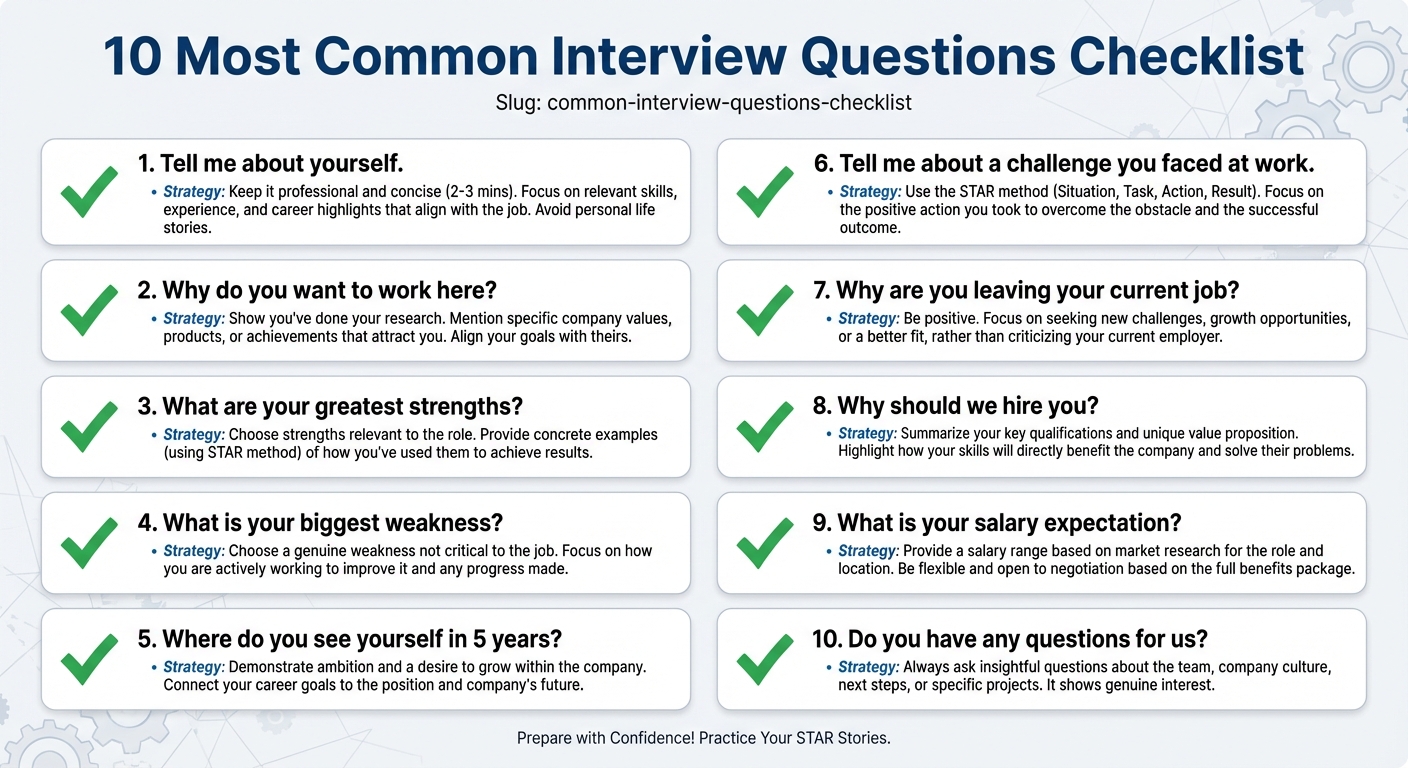
Answers to 10 Most Common Job Interview Questions (With Scripts)
Based on data from Indeed and The Muse, these are the most frequent hurdles candidates face [2][3]. Use these job interview questions and answers script templates as a foundation.
1. "Tell me about yourself."
This is often the first common answer to job interview scripts you'll need.
- The Script: "I have [X] years of experience in [Industry]. In my last role at [Company], I focused on [Key Achievement]. Now, I’m looking to bring my expertise in [Skill] to a forward-thinking team like yours."
2. "What is your greatest weakness?"
Avoid clichés like "I'm a perfectionist."
- The Response: "In the past, I struggled with [Real Weakness, e.g., public speaking]. However, I’ve been taking [Course/Action] to improve, and recently I successfully led a team presentation for 50 people."
3. "Why do you want to work here?"
This is where your research pays off. Show them you understand their 2026 roadmap.
4. "Where do you see yourself in five years?"
Hiring managers want to see if your career path aligns with their company's growth.
5. "Describe a difficult work situation and how you handled it."
Use a how to prepare for a job interview example here. Focus on the "Action" and "Result."
6. "Why are you leaving your current job?"
Stay positive. Focus on what you are moving toward (growth, new challenges), not what you are moving away from.
7. "What are your salary expectations?"
Provide a range based on market research from sites like Glassdoor or Reddit's r/jobs [4].
8. "How do you handle stress or pressure?"
Mention specific tools or mindsets you use to stay organized.
9. "What is your greatest professional achievement?"
Make sure the achievement is relevant to the job you are applying for.
10. "Do you have any questions for me?"
Always have questions to have prepared for a job interview. Asking "What does success look like in this role after 6 months?" shows you are results-oriented.
How to Answer at a Job Interview: The STAR Technique
When candidates wonder what to answer during a job interview for behavioral questions ("Tell me about a time..."), the STAR method is the gold standard [5].
- Situation: Set the scene briefly.
- Task: Describe the challenge or goal.
- Action: Explain exactly what you did (use "I," not "we").
- Result: Share the positive outcome or what you learned.
Providing a job interview question with answer in this format ensures you don't ramble and hit all the key points hiring managers look for.
Essential Tips for Job Interview Questions
To give the best responses to job interview questions, keep these tips for job interview questions in mind:
- Be Concise: Aim for answers between 60 and 90 seconds.
- Body Language: Maintain eye contact and sit up straight. In 2026, even on video calls, your "digital presence" matters.
- Prepare job interviews answers for "Curveballs": If you get a weird question, take a breath and explain your thought process out loud.
Conclusion
Landing your dream job requires more than just a great resume; it requires prepare for job interviews with the answers that resonate. By studying these common answers in job interview settings and practicing your delivery, you move from being a "candidate" to being the "solution" the company needs.
References: