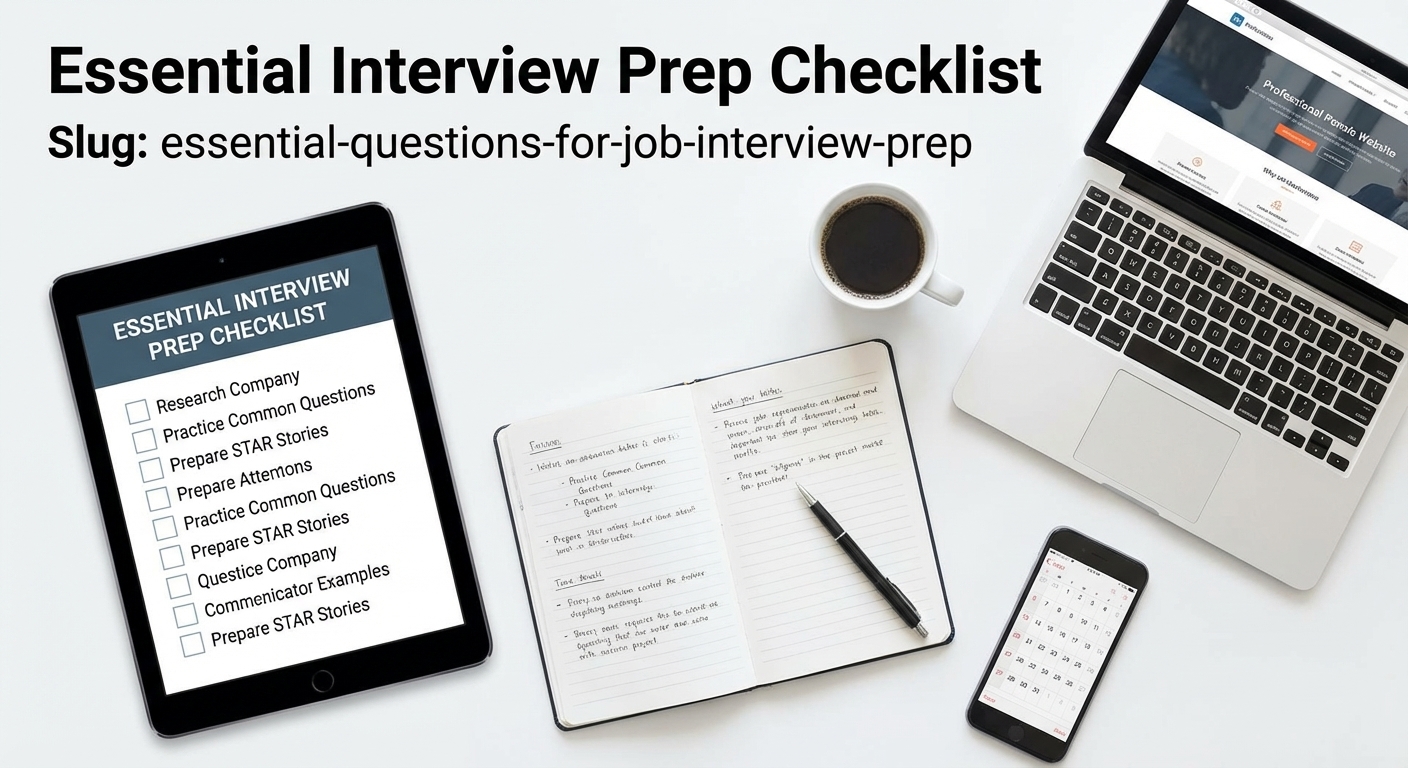
The job market in 2026 is more competitive than ever, and feeling anxious before a meeting is completely natural. However, the difference between a candidate who gets the offer and one who doesn’t often comes down to one thing: preparation. Getting ready for a job interview questions is not just about memorizing scripts; it’s about strategically aligning your professional story with the needs of the employer. This guide will walk you through the essential steps to ensure you walk into the room with confidence.
Why Preparation for a Job Interview Questions is the Key to Success
Hiring managers are not just looking for technical skills; they are evaluating your problem-solving abilities and cultural fit. According to experts at Harvard Business Review, interviewers use specific questions to see if you can handle the "real-world" challenges of the role.
The subject of some job interview tips often focuses on being "yourself," but being your prepared self is far more effective. By analyzing the job description beforehand, you can predict what the interviewer cares about most, allowing you to tailor your responses to meet their specific pain points.

How to Get Ready for Job Interview Questions: A 3-Step Framework
Step 1: Researching the Role and Company
To identify the must questions in job interview to prep, you must look beyond the job title. Study the company’s recent projects, mission statement, and team culture. As noted by Indeed, understanding the company's "why" helps you answer questions like "Why do you want to work here?" with genuine depth.
Step 2: Mapping Your Achievements
Don't wait for the interview to think of examples. Create a "story bank" of your greatest hits. When you prepare job interview questions, map specific achievements to the skills listed in the job post. This ensures that when you are asked for an exemplar job interview response, you have data-backed evidence ready to go.
Step 3: Practice Makes Perfect
Knowing how to do well on job interview questions requires verbalizing your thoughts. Reading answers in your head is not enough; you need to speak them out loud to refine your delivery and timing.
Pro Tip
To truly master your delivery and reduce anxiety, try our AI mock interview tool. It simulates real-world scenarios and helps you refine your answers before the big day.
Common Job Interview Questions and Answer Strategies
While you might occasionally see a typo like "job interview gquestions and answer" in online forums, the core queries remain consistent across industries. According to LinkedIn, there are certain questions you always answer in a job interview, such as:
- "Tell me about yourself": Focus on your professional journey and how it leads to this specific role.
- "What is your greatest weakness?": Choose a real weakness but explain the proactive steps you’ve taken to overcome it.
- Behavioral Questions: Use the STAR method (Situation, Task, Action, Result) to provide a structured and impactful narrative.
Practical Guide: How to Answer Questions in Job Interview
Knowing how to answer questions in job interview settings involves more than just the words you say. It’s about clarity, tone, and the "correctness" of the fit.
Correct answers what you need job interview success are those that demonstrate a "growth mindset." For example, if asked about a failure, don't shy away. Instead, show how you analyzed the mistake and what systems you put in place to prevent it from happening again. This level of self-awareness is what recruiters at top firms look for in 2026.
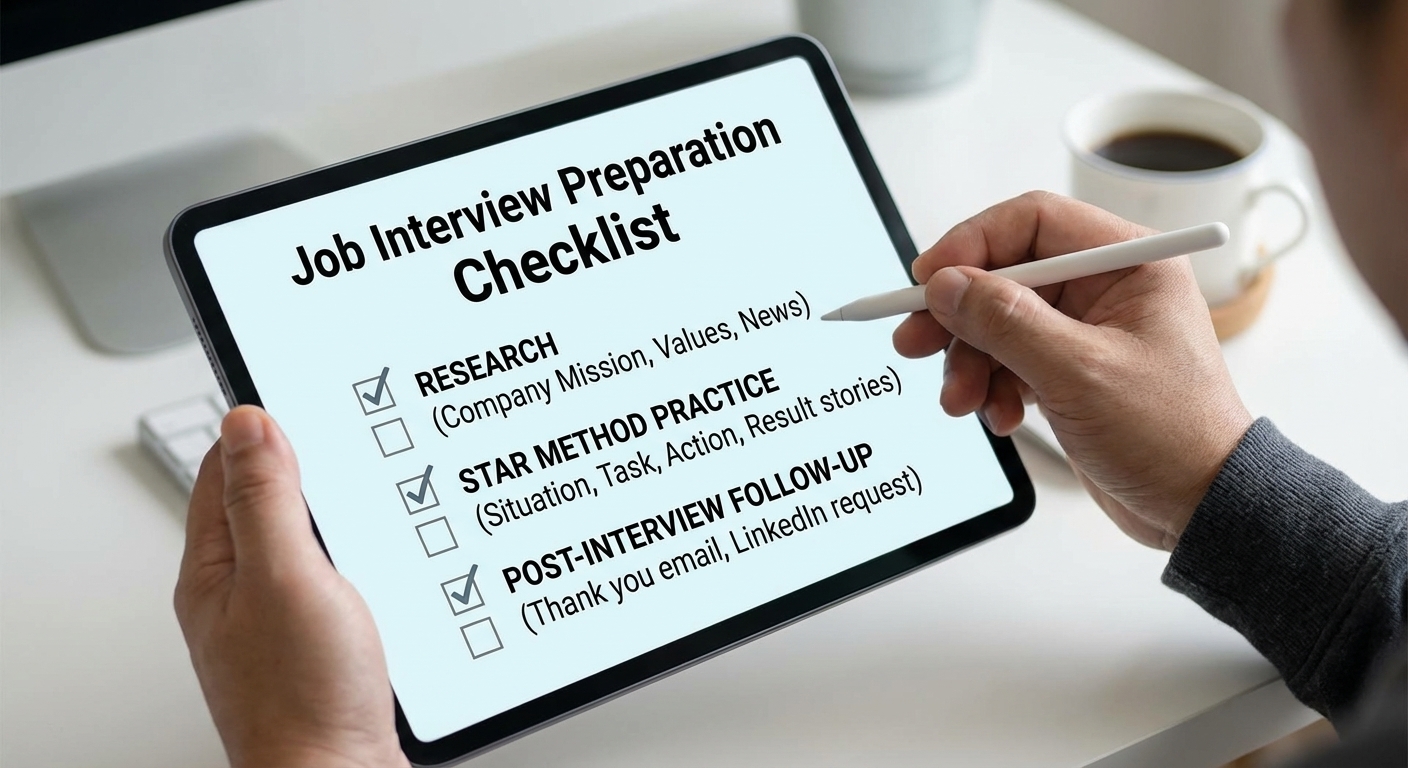
Essential Checklist: Prepare Job Interview Questions to Ask Back
An interview is a two-way street. If you don't have questions for the interviewer, it may appear as a lack of interest. The Muse suggests preparing questions that show you are thinking about the future, such as:
- "What does success look like in this role after six months?"
- "How does the team handle creative disagreements?"
- "What is the most challenging part of this company's current growth phase?"
Conclusion
Getting ready for a job interview questions is the most significant investment you can make in your career. By researching the company, building a story bank using the STAR method, and practicing your delivery, you transform from a "candidate" into a "solution" for the employer. Remember, the goal isn't just to get through the interview—it's to prove that you are the best person for the job. Stay confident, stay prepared, and the offer will follow.