Landing an interview for a new job is a significant milestone, but the real challenge lies in the execution. Whether you are navigating an interview for a company job or a high-stakes job application interview, your ability to communicate value effectively is what separates candidates from employees.
In this guide, we break down the essential job hunting interview questions and tips, providing you with the strategies needed to deliver good job interview responses and turn your interview to get a job into a formal offer.
Introduction: Navigating the Modern Jobs Interview Landscape
In today's competitive market, many candidates ask: What is a good job interview? While many believe it is simply about answering questions correctly, experts at Indeed suggest it is a two-way conversation aimed at determining cultural and professional alignment.
A successful jobs interview occurs when you demonstrate not just that you can do the work, but that you understand the company’s mission and can solve their specific pain points. Understanding what are the usual questions in a job interview is the first step toward building that confidence.
Preparation: Setting the Stage for an Interview for a New Job
Preparation is the foundation of success. When preparing for an interview for job opening, you must go beyond reading the company website.
Researching the Role and Company
To provide good answers to say in a job interview, you must understand the company's recent challenges and successes. Platforms like Glassdoor can provide insights into specific job search interview questions previously asked at that firm.
The 8-Step Preparation Framework
If you are looking for a structured approach, follow these possible interview job questions 8 steps to ensure you are fully prepared:
- Analyze the Job Description: Identify the top three skills they need.
- Research the Interviewers: Check LinkedIn to understand their professional background.
- Audit Your Own Resume: Be ready to explain every bullet point.
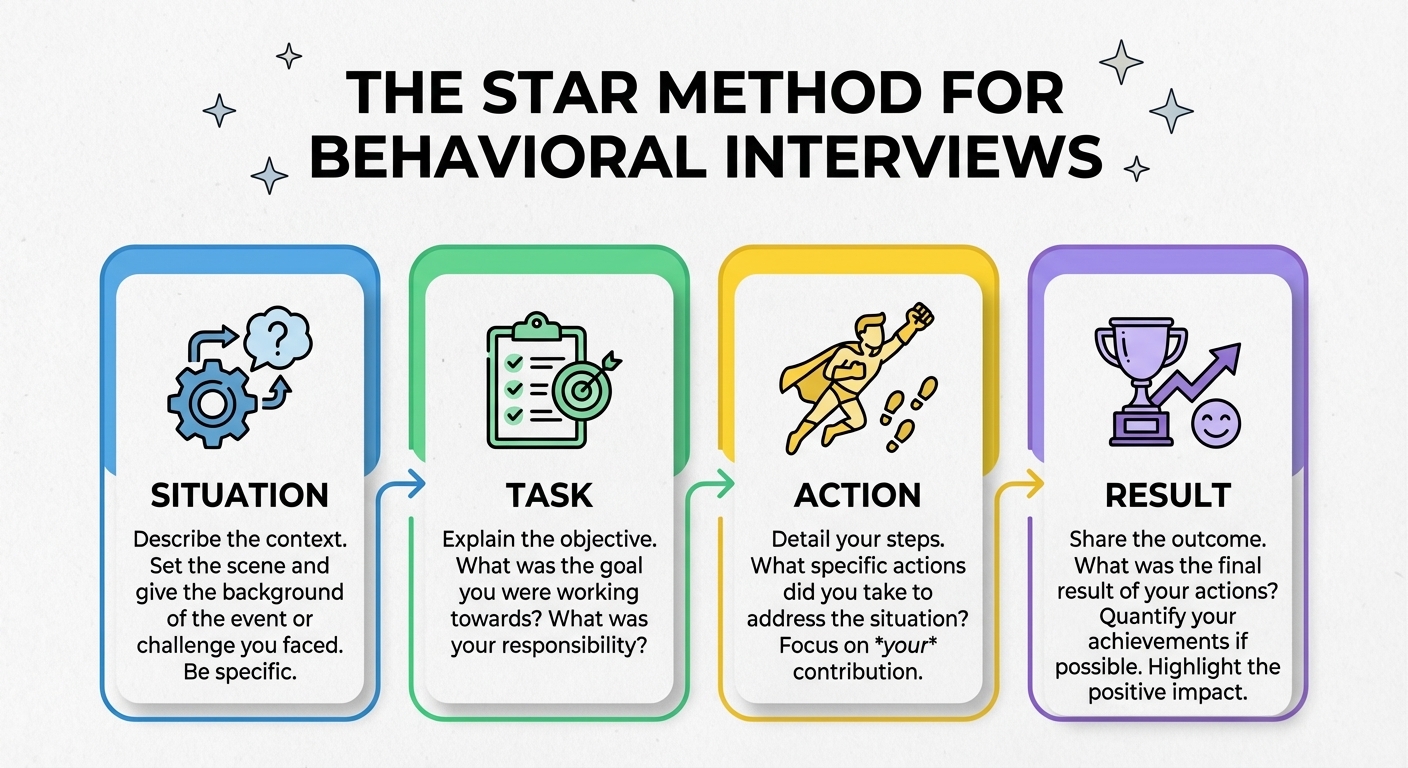
- Prepare Your STAR Stories: (Situation, Task, Action, Result) for behavioral questions.
- Practice Usual Questions: Master the "Tell me about yourself" pitch.
- Plan Your Attire: Dress slightly more formal than the company's daily wear.
- Perform a Mock Interview: Practice vocalizing your answers to build muscle memory.
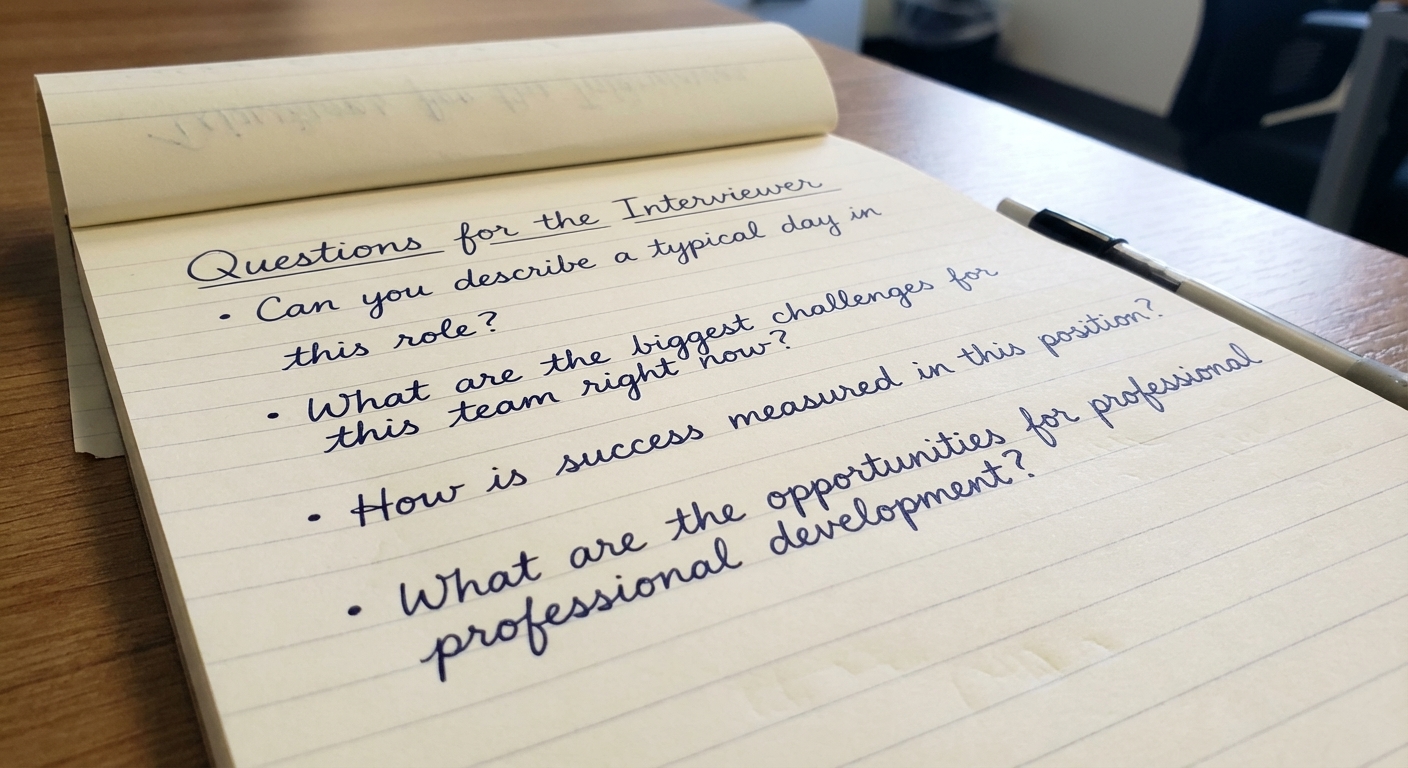
- Prepare Reverse Questions: Have 3-5 questions ready for the hiring manager.

Mastering the Usual Questions in a Job Interview
Most interviews for jobs follow a predictable pattern. By mastering the usual questions in a job interview, you can reduce anxiety and focus on building rapport.
Common "Break the Ice" Questions
The most critical question they would ask job interview candidates is often: "Tell me about yourself." According to The Muse, the best approach is the "Past-Present-Future" formula: briefly mention your background, highlight your current role, and explain why you are excited about this specific job-applications interview questions.
Navigating Interview Questions About Current Job
Hiring managers often ask interview questions about current job responsibilities to gauge your seniority and reason for leaving.
- Good job interview responses for "Why are you leaving?" focus on seeking new challenges rather than complaining about your current employer.
- Always frame your current experience in terms of how it prepares you for this interview for company job.
Pro Tip:
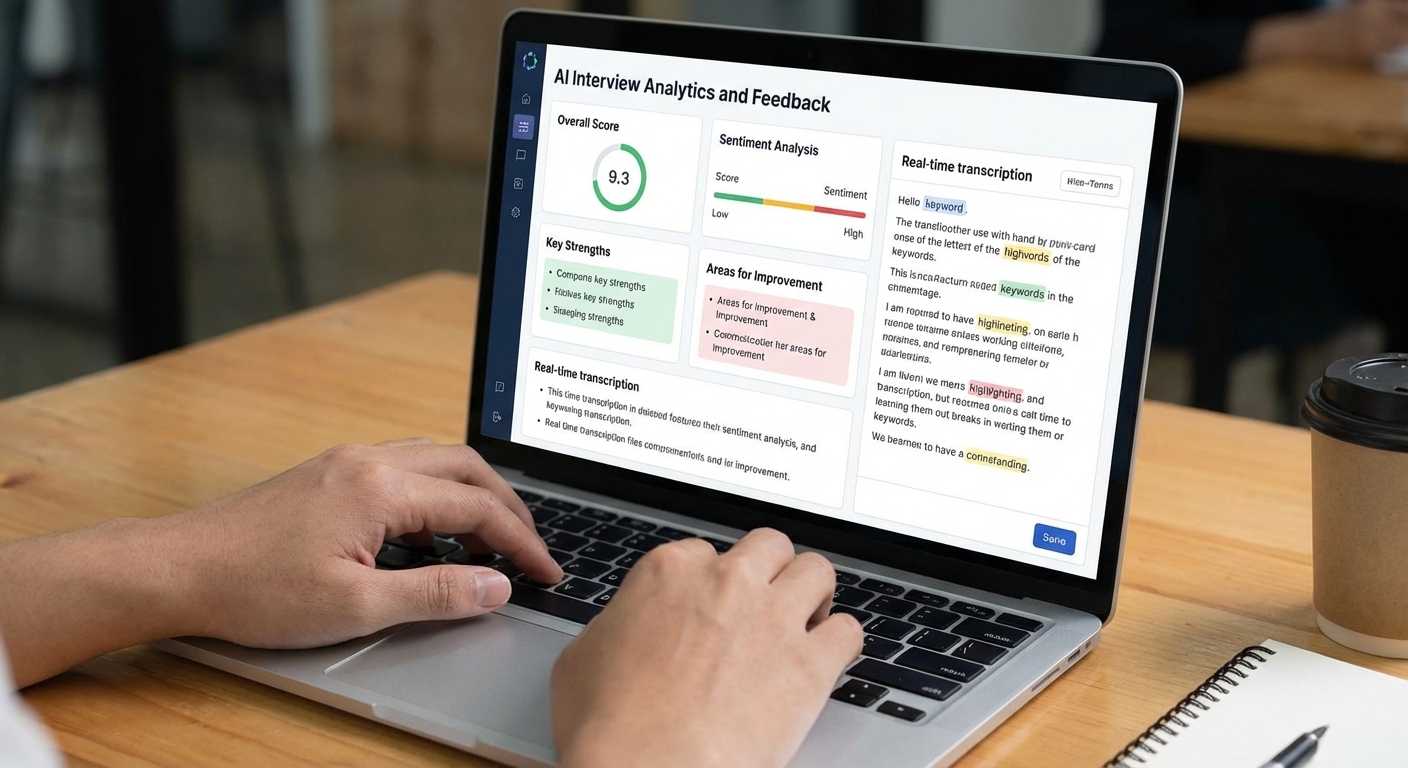
"The best way to overcome interview anxiety is through consistent practice. Use our AI mock interview to simulate real-world scenarios and receive instant feedback on your delivery and content."
Advanced Strategies for Job-Applications Interview Questions
Once the basics are covered, the job hunting interview questions and tips shift toward behavioral scenarios.
Behavioral Questions and the STAR Method
Employers use behavioral job search interview questions to predict future performance based on past behavior. MIT’s Career Center recommends the STAR method:
- Situation: Set the scene.
- Task: Describe the challenge.
- Action: Explain exactly what you did.
- Result: Share the positive outcome (use numbers if possible).
Handling Strengths and Weaknesses
When asked about weaknesses—a staple in interviews for jobs—don't say "I'm a perfectionist." Instead, Coursera suggests choosing a real professional weakness you’ve identified and explaining the concrete steps you are taking to improve it.
What to Ask: Things You Want to Know During a Job Interview
An interview is a two-way street. The things you want to know during a job interview are just as important as the answers you provide. Asking insightful questions shows you are a high-level thinker.
Job interview ideas for your "reverse interview" include:
- "What does success look like in this role after six months?"
- "How does the team handle conflict or tight deadlines?"
- "What is the most significant challenge the department is currently facing?"
These questions demonstrate that you are already thinking about how to contribute to the interview for job opening.

Summary: Turning Your Interview to Get a Job into an Offer
Mastering the jobs interview is a skill that can be developed with the right job interview ideas and preparation. By focusing on good answers to say in a job interview, utilizing the STAR method, and following the possible interview job questions 8 steps, you position yourself as the top candidate.
Remember, every job application interview is an opportunity to learn. Even if you don't get the first one, the practice you gain ensures you will eventually land the perfect role.
FAQ: Frequently Asked Questions about Jobs Interviews
Q: What are the most common job-applications interview questions?
A: Common questions include "Tell me about yourself," "Why do you want to work here?", and "What are your strengths and weaknesses?" Refer to Harvard Business Review for detailed breakdowns of these.
Q: How do I provide good job interview responses for behavioral questions?
A: Use the STAR method (Situation, Task, Action, Result) to provide structured, data-driven answers that prove your competencies.
Q: What should I bring to an interview for a company job?
A: Bring several copies of your resume, a notebook, a pen, and a list of prepared questions for the interviewer.
Q: How do I handle interview questions about current job gaps?
A: Be honest and brief. Focus on what you did during the gap (e.g., upskilling, volunteering, or personal projects) and emphasize your readiness to return to work.